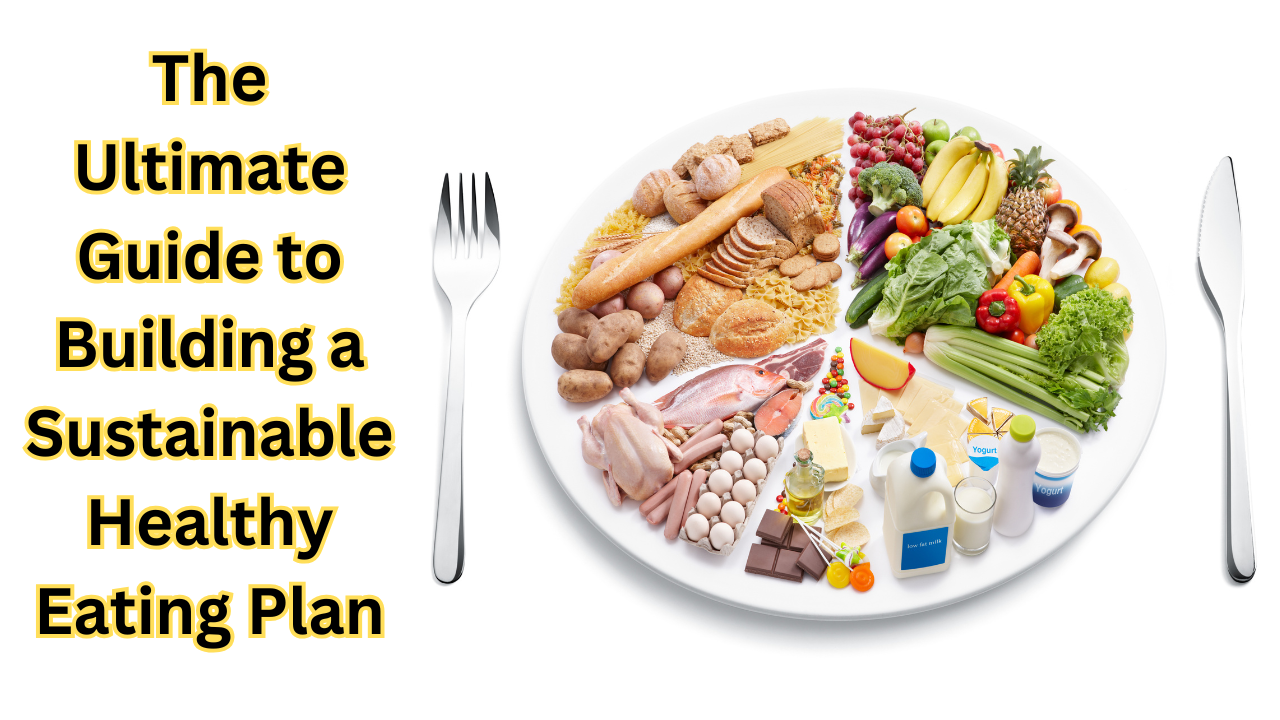
Developing a sustainable healthful diet plan involves more than just reaching immediate health objectives it also entails developing a way of life that sustains your body and mind over time. It entails being aware of your nutritional requirements forming values-based habits and continuing to eat in a flexible but responsible manner. The key steps to creating a plan that suits you and endures a lifetime will be outlined in this guide.
Understanding the Foundations of Healthy Eating:
It is important to comprehend what healthy eating entails before getting into the specifics. A balanced diet consists of a range of foods that supply vital nutrients like proteins carbs minerals vitamins and healthy fats. These nutrients give your body energy boost your immune system and ward off chronic illnesses. Reducing processed foods added sugars and unhealthy fats can greatly improve general health while emphasizing whole foods like fruits vegetables lean proteins and whole grains is crucial.
Assessing Your Current Habits and Setting Realistic Goals:
To develop a sustainable eating plan you must first assess your current eating patterns. Keep track of your food intake timing and motivations. Are you consuming too many convenience foods skipping meals or mindlessly snacking? Once you’ve identified patterns make sure your goals are clear and reasonable. For example instead of completely changing your diet at once start by adding one extra serving of vegetables to each meal if your goal is to eat more of them. Changes made gradually are easier to maintain and less daunting.
Emphasizing Meal Planning and Preparation:
A healthy eating plans foundation is meal planning. Planning your meals will help you avoid unhealthy last-minute choices and guarantee that your diet contains a range of nutrients. To start pick recipes that support your objectives and make a shopping list to help you stay organized. Meal preparation in bulk can help you stay on track and save time throughout the week. You can also limit the amount of salt sugar and unhealthy fats you consume by cooking your meals and controlling the ingredients and portion sizes.
Incorporating Flexibility and Balance:
A sustainable diet does not require you to give up your favorite foods. Strict limitations frequently annoy and ultimately relapse. Rather strive for equilibrium by using the 80/20 strategy which calls for consuming nutrient-dense healthful foods 80% of the time and making room for indulgences 20% of the time. This adaptability guarantees that you can indulge without feeling guilty while maintaining your overall objectives. Recall that consistency in making healthy choices will slow down your progress not one decadent meal.
Prioritizing Hydration and Mindful Eating:
Although its sometimes forgotten when talking about eating healthily staying hydrated is just as vital as the food you eat. Water helps with digestion controls body temperature and facilitates waste removal. Aim for 8 glasses of water or more each day and modify according to your activity level and the weather.
Another essential element is mindful eating. Be mindful of your hunger and fullness signals and enjoy every bite without being distracted by electronics like TV or phones. A healthier relationship with food is fostered by eating mindfully which enables you to distinguish between eating because you’re bored or stressed out and when you’re hungry.
Understanding the Role of Variety and Seasonal Eating:
A monotonous diet can result in nutritional deficiencies and boredom. To guarantee that you’re getting a variety of nutrients include a wide range of foods. Try out new recipes sample seasonal produce and learn about various cuisines. Eating in season not only increases variety but also helps local farmers and is frequently less expensive. Foods that are in season are usually fresher and more flavorful which enhances the enjoyment and satisfaction of your meals.
Managing Social and Environmental Influences:
Healthy eating can be hampered by social situations and external circumstances. Events at work family get-togethers and restaurants could tempt you to deviate from your plan. Even though its crucial to savor these moments you can manage them more effectively if you have plans in place. For example, to prevent overindulging have a small wholesome snack before going to a party. When dining out steer clear of fried food and opt for grilled steamed or roasted options.
Additionally, make your home a supportive environment for your objectives. Limit the availability of processed snacks and stock your refrigerator and pantry with nutritious options. Supportive surroundings lessen temptations and promote better decisions.
Building a Support System:
An effective support network can have a big impact on sticking to a healthy diet. Tell your loved ones and friends about your objectives so they can support and encourage you. Think about joining communities or groups that share your interests so you can share motivational recipes and advice. If you need individualized counsel and direction speak with a registered dietitian or nutritionist.
Adapting to Life’s Changes:
Since life is ever-changing your diet should be flexible enough to accommodate new situations. It is critical to maintain flexibility while remaining dedicated to your health whether you’re traveling managing a hectic schedule or dealing with unforeseen circumstances. Prepare wholesome portable snacks for on-the-go eating such as yogurt fruit or almonds. When routines shift go back and modify your plan to fit your new way of life.
Tracking Progress and Celebrating Achievements:
You can identify areas for improvement and maintain accountability by routinely recording your progress. To track your meals hydration and exercise keep a food journal or use apps. Celebrate little victories like overcoming the temptation to skip breakfast or successfully adding more vegetables to your meals. Giving yourself credit for your accomplishments keeps you inspired and encourages constructive behavior.
The Long-Term Benefits of a Sustainable Healthy Eating Plan:
You are investing in your future health when you create a sustainable healthy eating plan. You will probably experience better mood better digestion more energy and a lower chance of developing chronic illnesses over time. Above all you’ll cultivate a healthy relationship with food seeing it as sustenance and energy rather than a cause of anxiety or shame.
A sustainable approach to healthy eating is not about perfection but persistence. By focusing on balance, flexibility, and mindful choices, you can create a plan that fits seamlessly into your life and supports your long-term health goals.